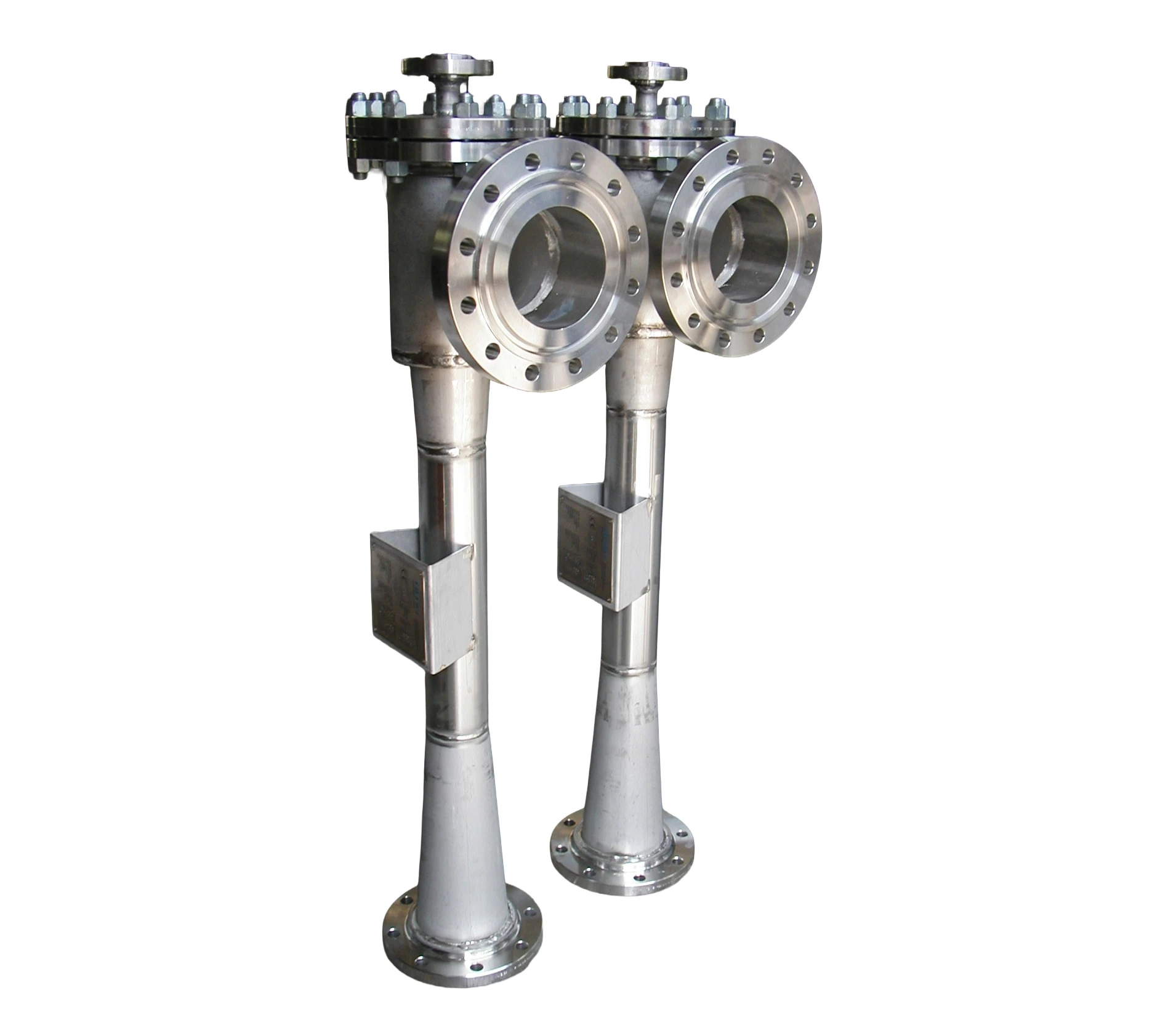
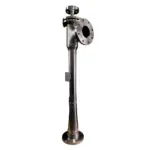
Steam ejectors generate vacuum by exploiting the kinetic energy of the driving steam.
The principle is based on the Venturi effect: high-pressure steam is expanded through a convergent-divergent nozzle, increasing its speed.
The high speed of the jet creates a low pressure zone that allows the suction of gases or vapours present in the system to be evacuated.
The mixture of steam and sucked gases enters the mixing chamber and then into a diffuser where the kinetic energy is converted back into pressure.
This process leads to the compression of the aspirated fluid to a value intermediate between the driving pressure and the suction pressure.
Depending on the required vacuum level, multiple stages can be installed with interposition of barometric or surface condensers