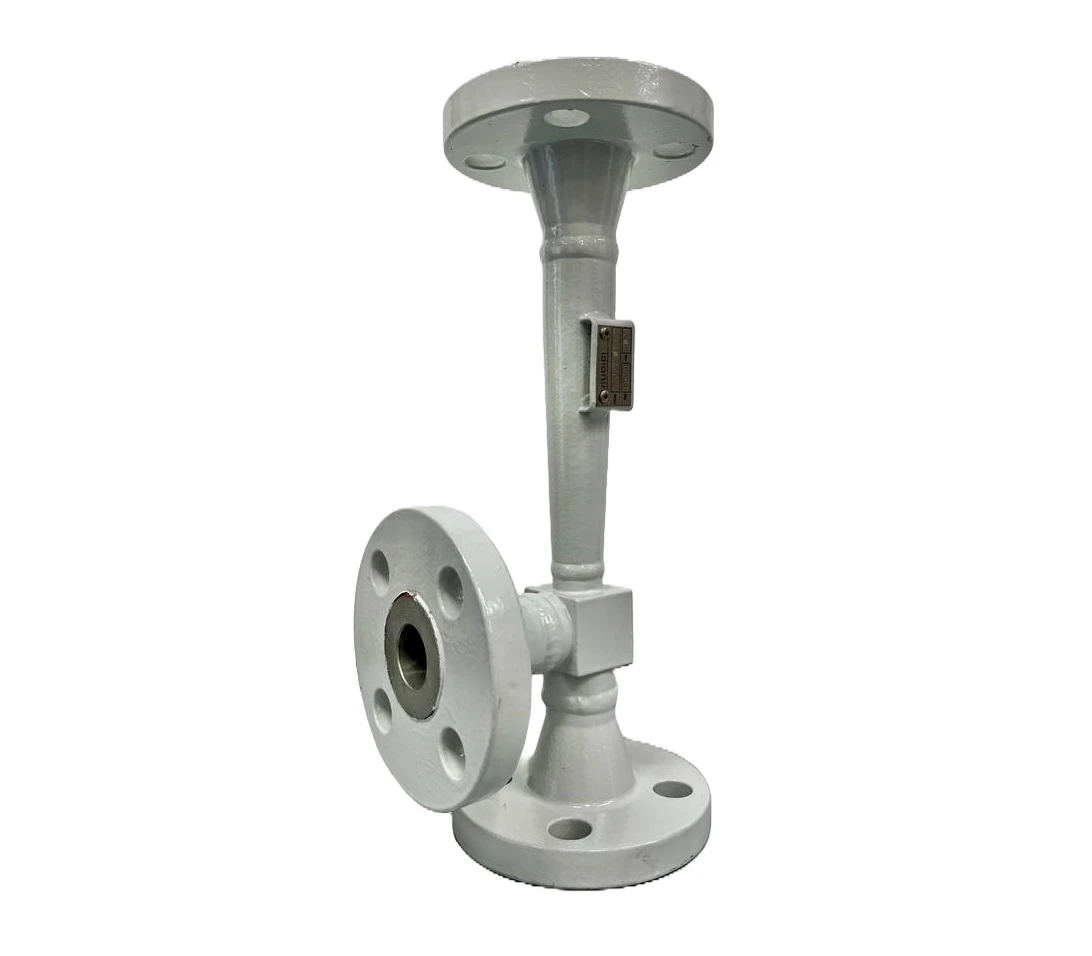
Gas jet ejectors use a compressed flow of air, nitrogen, or natural gas to evacuate, mix, or compress other gases.
The high-pressure engine gas passes through the converging and diverging sections of the engine nozzle, accelerating the exiting gas to supersonic speed.
The low pressure generated attracts the gas to be pumped.
After mixing inside the diffuser, the mixture slows down: the kinetic energy decreases and is converted into pressure, which increases until it reaches the desired delivery value.
Gas jet ejectors cannot be used to lift and compress water because air, unlike steam, does not condense; only a nebulization effect occurs (in this case the ejectors are used for sampling and analysis of liquids).